Book a Call
A guide to challenging and changing settlement boundaries
8th June 2020
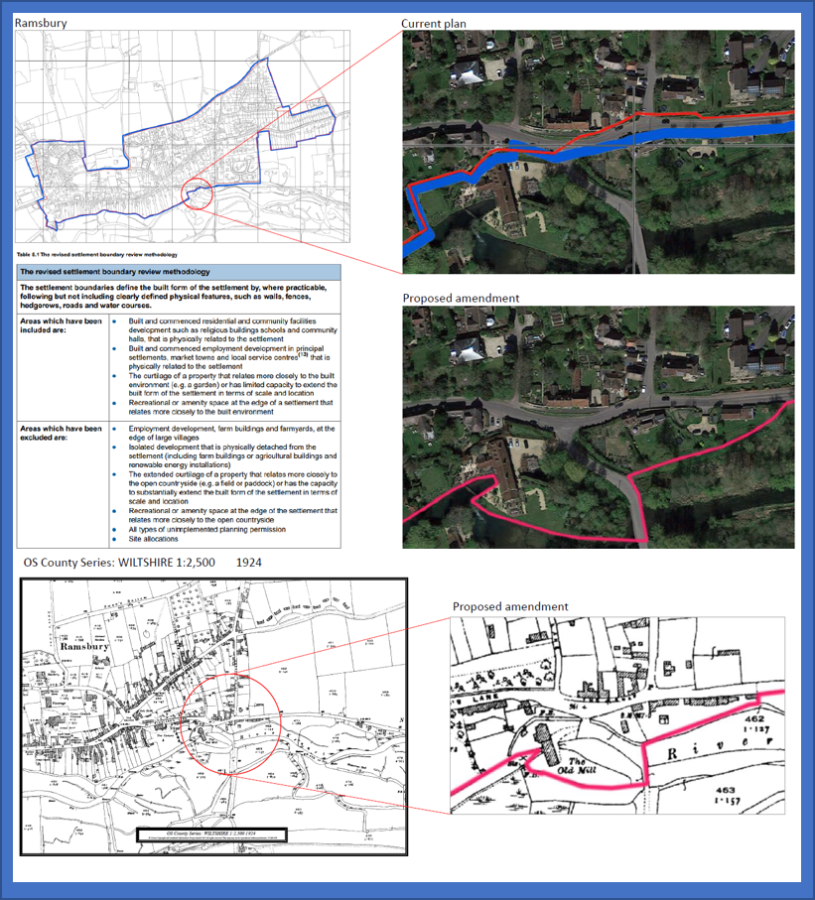
Settlement boundaries can represent the battlefront for planning applications. Just because your development site is the wrong side of an arbitrary line often means that planning permission will be refused by default. This is often a short sighted position by the Council, and can fail to acknowledge site-specific sustainability benefits. Nevertheless, the development plan is the primary driver of planning decisions, with material considerations often not given due weight. However, local plan settlement boundaries are not necessarily set in stone.
Can settlement boundaries be wrong?
Settlement boundaries are drawn at a District scale and can often miss important local detail. This is mainly because everybody’s attention is focused on the large scale strategic land releases. However, once adopted the boundaries can be very difficult to change. There are a handful of successful appeal decisions where “rounding off” has been held to be acceptable, but these are few and far between.
How do you change a settlement boundary?
The only way is to engage in local plan consultations and reviews. These come round every 5 years and generally go through several stages.
There are two key things to focus on:
- the methodology behind the settlement boundary; and
- whether the methodology is applied consistently.

We were recently successful at amending a settlement boundary in Wiltshire (via the Wiltshire Housing Site Allocations Plan). We reviewed the methodology behind the settlement boundary, and queried some of the assumptions the policy planners were making. We also studied the historic form of the settlement, looked at the geographic features, and put forward spatial arguments as to why this particular parcel of land should be included within the settlement boundary.
We were successful in the change being accepted by the Local Plan inspector during the Main Modifications stage, meaning that our client’s large garden was included within the settlement. This has paved the way for future “windfall” housing planning applications on the site.
Such an approach is very different to that of normal site allocations which are generally focused on much larger releases of land. These small tweaks to a settlement boundary may mean very little to the local authority, but can make a big difference to the landowner, who can then secure planning for a handful of homes on their land.
If you own land, or are looking to buy a plot on the edge of a settlement boundary, we strongly suggest engaging in the local plan process next time it comes round. Local Plan reviews are generally once every 5 years, but other Development Plan Documents (DPDs) can also be worth engaging with, as are neighbourhood plans.
We can assist you with spatial analysis and persuasive visual arguments. It will hopefully help the council adjust their settlement boundary to be more logical and at the same time provide you with a valuable opportunity.
If you want to discuss how we can help further then contact our team via enquiries@plainview.co.uk.
Key Projects
Some of our clients